
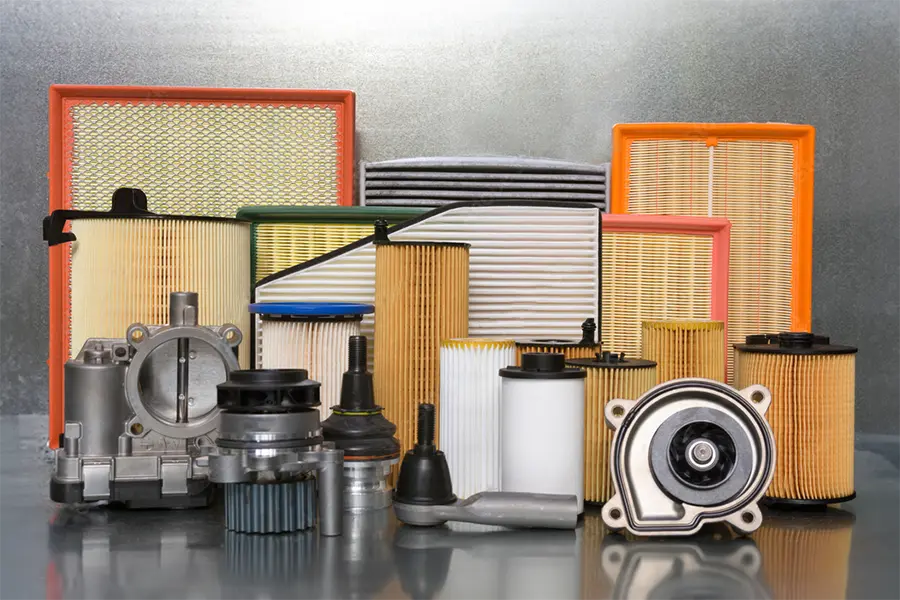
Automotive filters play a critical role in maintaining the performance and longevity of vehicles by preventing harmful particles and contaminants from entering the engine, transmission, and cabin systems. As a leading manufacturer in the filter industry, we take pride in producing high-quality automotive filters that contribute to the efficiency and reliability of vehicles worldwide. In this article, we will delve into the intricate manufacturing process of automotive filters, shedding light on the steps and technologies involved.
1. Automotive Filters Design and Material Selection
The first phase of filter manufacturing involves the design and material selection process. Engineers and designers work together to develop filter designs that optimize airflow while effectively capturing contaminants. Advanced software and simulations aid in modeling and testing different filter configurations to determine their efficiency and pressure drop characteristics.
Once the design is finalized, suitable materials are chosen. Filter media is a crucial component, often made of materials like paper, synthetic fibers, or metal mesh. The choice of filter media depends on the application, desired filtration efficiency, and budget considerations.
2. Cutting and Shaping Media
In this phase, the chosen filter media is cut and shaped into the required dimensions. Automated cutting machines equipped with precision blades are used to cut the media sheets according to the design specifications. The shaped media is then carefully inspected for quality assurance before moving on to the assembly process.
3. Filter Assembly
The filter assembly is a critical step that involves combining various components to create the final product. Depending on the type of filter being manufactured (oil, air, fuel, or cabin air filter), the assembly process varies, but it generally follows these steps:
- Pleating: The filter media is pleated to increase its surface area, enhancing its capacity to capture particles. Automated pleating machines create uniform folds in the media to maximize filtration efficiency.
- End Cap Attachment: The pleated media is attached to end caps made of durable plastic or metal. These end caps provide structural support and create a secure seal to prevent the bypass of unfiltered air.
- Adhesive Application: Adhesives are applied to seal the edges of the media and fix it securely to the end caps. This step ensures that air must pass through the filter media, preventing contaminants from entering the system.
- Gasket Installation: Some filters, such as oil and fuel filters, require a gasket for proper sealing. This gasket prevents leakage and ensures a tight fit when the filter is installed.
4. Enclosure and Casing
After assembly, the filter is encased in a sturdy housing or casing. This casing not only protects the filter media from damage but also provides a means of connecting the filter to the vehicle’s system. The casing may include inlet and outlet connections, as well as mounting features for easy installation.
5. Quality Control
Quality control is an integral part of the manufacturing process to ensure that every filter meets the highest standards. Filters undergo rigorous testing, including:
- Pressure Drop Testing: This test measures the resistance the filter poses to the airflow. A higher pressure drop can affect engine performance, so filters are designed to have an optimal balance between filtration efficiency and pressure drop.
- Filtration Efficiency Testing: Filters are challenged with various particle sizes to determine their efficiency in capturing contaminants. High-efficiency filters ensure that only clean air or fluid passes through.
- Leakage and Seal Testing: Filters are checked for any potential leaks or improper seals that could compromise their performance.
6. Packaging and Distribution
Once the filters pass all quality control tests, they are packaged and prepared for distribution. Proper packaging ensures that the filters remain clean and undamaged during transportation and storage. Clear labeling and instructions are included to guide mechanics and consumers during installation.

The manufacturing process of automotive filters is a complex blend of engineering, technology, and quality control measures. As a leading filter manufacturer, we understand the importance of producing filters that enhance vehicle performance, extend engine life, and promote clean air within the cabin. From design and material selection to assembly and quality testing, every step is meticulously executed to ensure that our automotive filters meet the highest industry standards. Through our commitment to innovation and excellence, we contribute to the smooth and efficient operation of vehicles worldwide.